
Growing Snowdrops in a Woodland Setting
What is different about growing galanthus in the woodsland as opposed to the open garden?
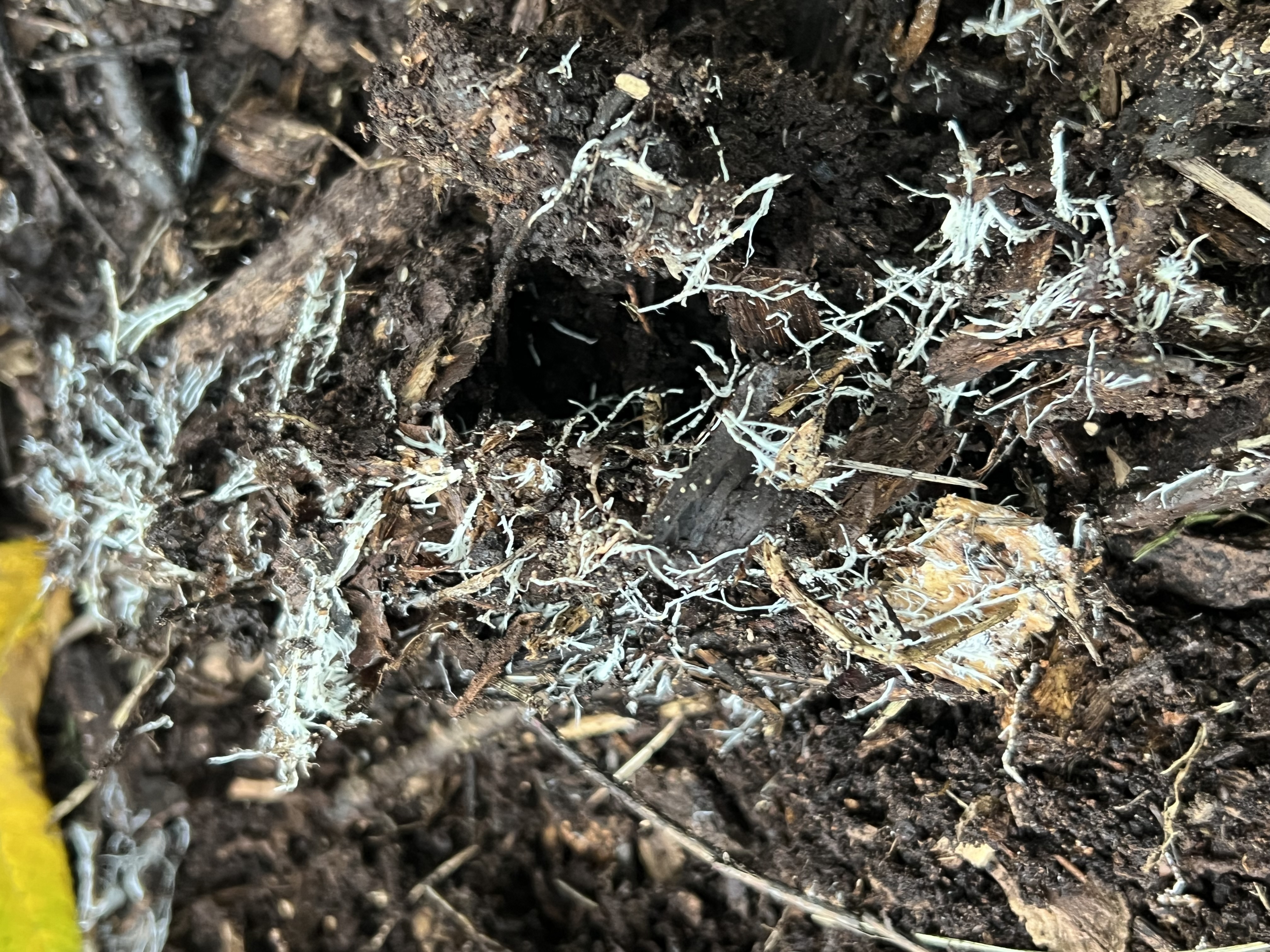
If you dig into the remains of a fallen tree which is in the process of breaking down, you may find veins of a white material or a fungus. This may run alongside the roots of a living tree which is using it ain a symbiotic way or as a sort of fertilizer.
That triggers a memory of going to the Temple Nursery in the early 2000s when Hitch Lyman had an open garden day. He displayed snowdrops growing in and amongst the trees on his property. In conversation, he mentioned they seem to grow taller in that setting in an uneven soil mixed in with the tree roots. So when I got home, I started experimenting in my own woodland to see what would happen. By that time I had enough of some cultivars to experiment with several locations.
Through the years I noticed that the growth was somewhat slower in the woods, but the plants seemed to be healthier and grow taller. Many times I planted them at the base of a rotting tree trunk and when dug in, there were sometimes strings of white fungus mixed in the decaying bark.
I have found the book “Teaming With Fungi” by Jeff Lowenfels a good source of information explaining this concept and how you can use fungi in your garden to your advantage.
I notice when a botrytis rot sometimes sets into an older clump of snowdrops, this environment limits the scope of damage through its protective ‘web’ and the trees’ roots are already communicating and protecting each other through the pattern of fungi in the soil. So much is unknown about this yet it is very obvious if you have the opportunity ro experiment in your own garden.